Palm Tree Removal in Allentown, PA
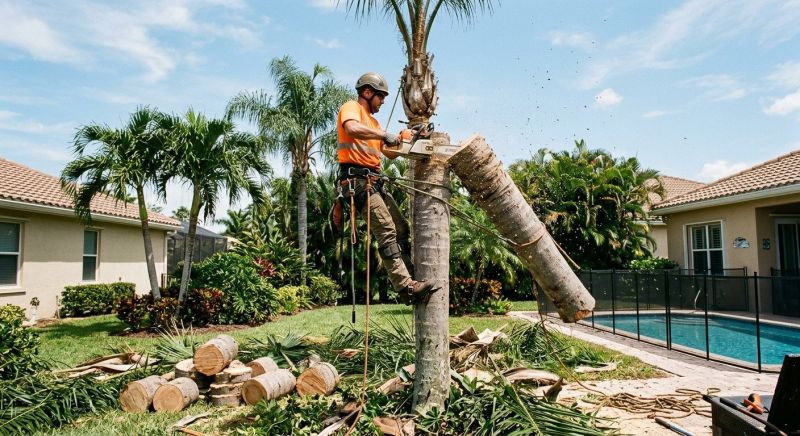
Palm tree removal services involve the careful removal of palm trees that are dead, diseased, damaged, or pose a safety concern on residential or commercial properties. These projects typically include the complete extraction of the tree, including root systems if necessary, and the cleanup of debris afterward. Homeowners often request this service when a palm tree has become unstable, is obstructing views or structures, or is no longer healthy, to ensure safety and maintain the property's appearance.
Before requesting palm tree removal, property owners should consider the size and location of the tree, as well as any potential impact on nearby structures or landscaping. It is important to understand the extent of the work involved, including whether stump grinding or root removal is needed, and to clarify any restrictions or regulations that may apply in the area. Proper planning ensures that the removal process is safe, efficient, and aligned with property maintenance goals.
Many property owners in Allentown, PA look into Palm Tree Removal for repairs, replacements, upgrades, and appearance-related improvements.
Tree Removal For Safety
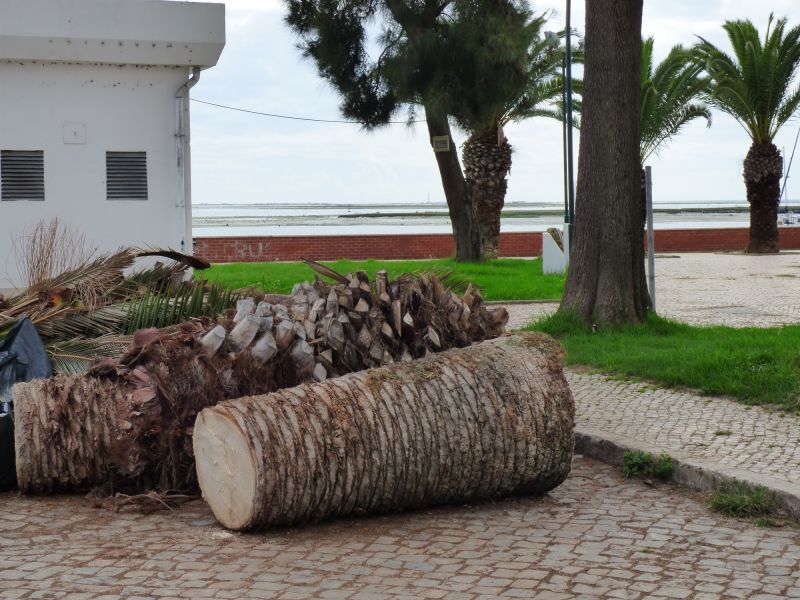
Removing hazardous or dead palm trees helps prevent property damage and personal injury.
Enhancing Landscape Appearance
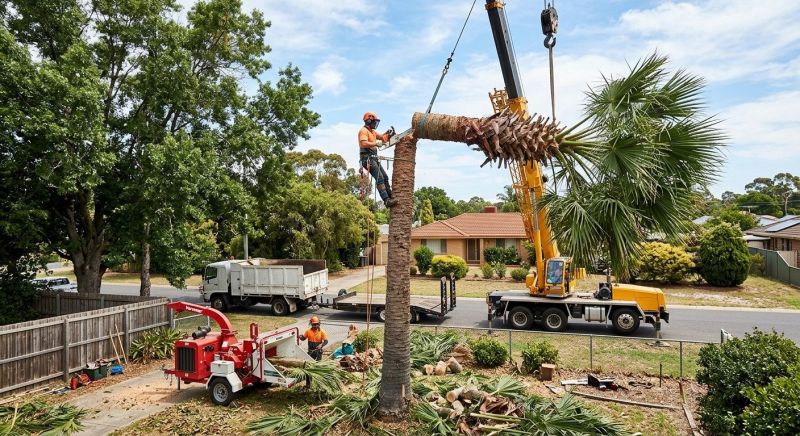
Clearing out overgrown or unwanted palms can improve curb appeal and outdoor aesthetics.
Property Maintenance Solutions
Palm tree removal is often part of routine property upkeep for homeowners and business owners in allentown, pa.
Palm Tree Removal in Allentown, PA
Palm tree removal services involve the careful removal of palm trees that are dead, diseased, damaged, or pose a safety concern on residential or commercial properties. These projects typically include the complete extraction of the tree, including root systems if necessary, and the cleanup of debris afterward. Homeowners often request this service when a palm tree has become unstable, is obstructing views or structures, or is no longer healthy, to ensure safety and maintain the property's appearance.
Before requesting palm tree removal, property owners should consider the size and location of the tree, as well as any potential impact on nearby structures or landscaping. It is important to understand the extent of the work involved, including whether stump grinding or root removal is needed, and to clarify any restrictions or regulations that may apply in the area. Proper planning ensures that the removal process is safe, efficient, and aligned with property maintenance goals.
Many property owners in Allentown, PA look into Palm Tree Removal for repairs, replacements, upgrades, and appearance-related improvements.
Common Palm Tree Removal Jobs
Palms removal - safely removes dead or unwanted palm trees to improve landscape appearance.
Stump grinding - eliminates remaining stumps for a smooth, finished look after tree removal.
Emergency palm removal - handles urgent situations where palms pose a risk to property or safety.
Partial removal - selectively removes parts of a palm tree to promote health or reduce size.
Root removal - extracts invasive roots that may cause damage to structures or landscaping.
Landscape clearing - clears palms and surrounding debris to prepare the area for new landscaping projects.

Palm Tree Removal Questions
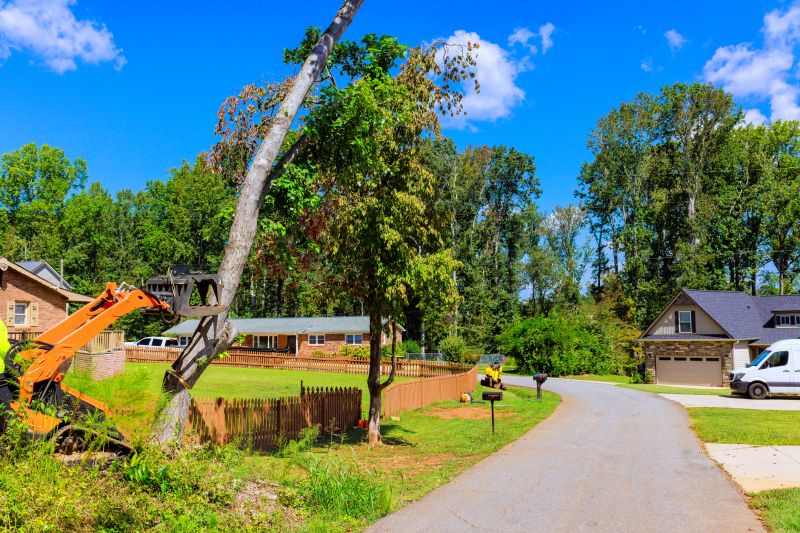
When should a palm tree be removed? Removal may be necessary if the tree shows signs of disease, damage, or poses a safety risk due to its location or condition.
What are common reasons for palm tree removal? Common reasons include disease, structural instability, overgrowth, or to clear space for construction or landscaping projects.
Is it possible to remove a palm tree without damaging nearby plants? Yes, proper techniques and equipment can minimize impact on surrounding landscaping during removal.
What should property owners consider before removing a palm tree? Consider the tree’s health, location, and any local regulations or permits required for removal.
Request Palm Tree Removal in Allentown, PA
Use the quote form on this page to share the basics of your project and request more information for the type of work you need.